
Waste accumulation limits and disposal limits for production and consumption waste are set for the enterprise as a whole on the basis of calculations, in such a way as to ensure that environmental quality standards are met.
Waste accumulation and disposal limits are justified in the waste management programme and approved as part of the environmental permit or the environmental impact declaration, depending on the facility category. The period of validity of waste accumulation and disposal limits is determined by the period of validity of the environmental permit or impact declaration in which they are approved, and is established by the 2021 Environmental Code of the Republic of Kazakhstan.
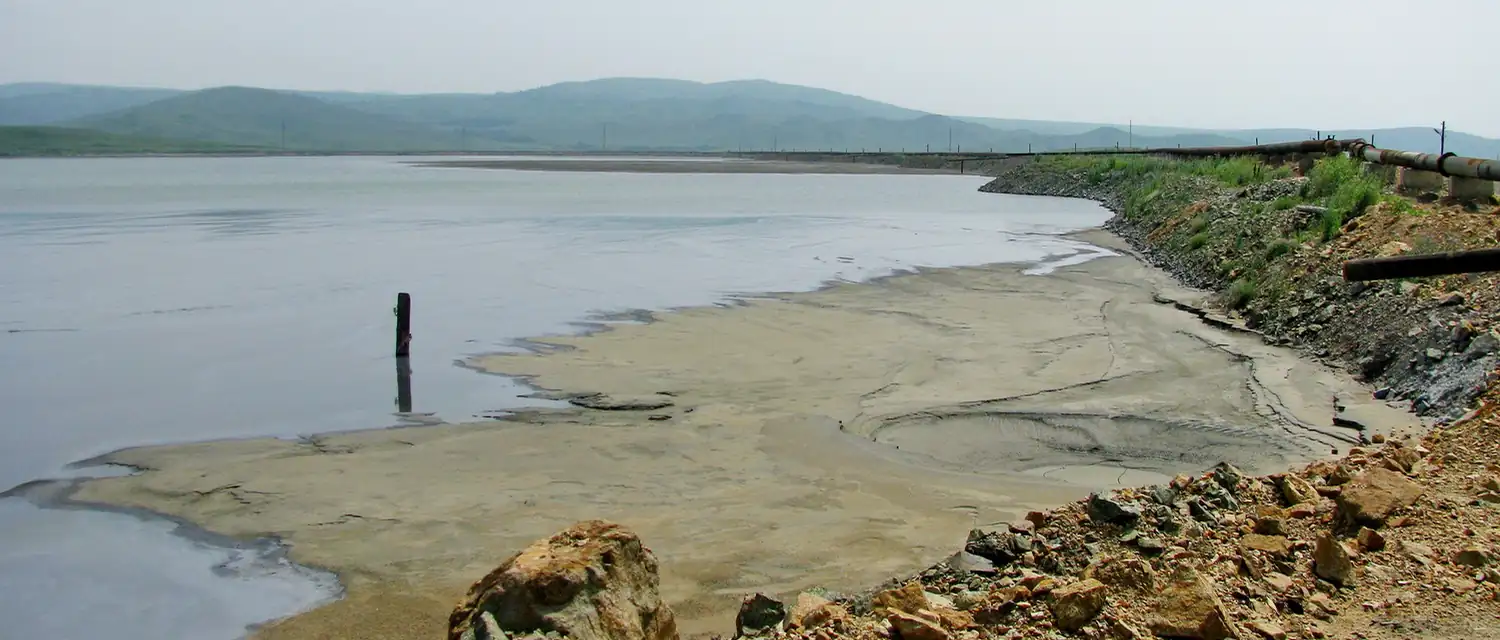
According to the Environmental Code of the Republic of Kazakhstan of 2 January 2021 No. 400-VI, waste disposal limits are set for owners of waste disposal facilities (landfills, tailings storage facilities, storage ponds, dumps) in which waste is kept for longer than the established periods of temporary waste accumulation.
Standards for the disposal of production and consumption waste are calculated taking into account data on the condition of environmental components (ambient air, surface and groundwater, soil cover) at the boundary of the sanitary protection zone (SPZ) of the waste disposal facility, obtained from the results of the industrial environmental control carried out.
The disposal limit for a type of waste is determined in tonnes per year, taking into account dimensionless reducing coefficients reflecting the degree of contamination of groundwater, the soils of adjacent territories and ambient air. It should therefore be borne in mind that as the level of contamination of environmental components rises, the amount of waste permitted for disposal decreases.
The decision on whether waste may be disposed of at a disposal facility is taken taking into account the condition of the environment determined from the results of industrial environmental control, in the manner established by the Environmental Code of the Republic of Kazakhstan.
IMPORTANT (since 29 June 2018):
The Code of the Republic of Kazakhstan of 27 December 2017 "On Subsoil and Subsoil Use" (as amended) clarified the parameters for classifying various wastes as man-made mineral formations (MMF):
- MMF of mining operations: overburden, host rock, dust, low-grade (substandard) ore;
- MMF of mining and beneficiation operations: beneficiation tailings and slurries;
- MMF of chemical and metallurgical operations: slags, cakes, clinkers and other similar types of metallurgical processing waste;
- MMF of energy production (when electric and/or thermal energy is produced by generating units): ash and ash-and-slag waste.
At present, the regulation of activities involving man-made mineral formations lies at the intersection of two branches of legislation – environmental protection (the Environmental Code of the Republic of Kazakhstan) and subsoil use (the Code of the Republic of Kazakhstan "On Subsoil and Subsoil Use"). An aspect of regulating subsoil users' activities that is important from an economic standpoint is the fee for emissions into the environment and the fee for MMF disposal established by the Tax Code of the Republic of Kazakhstan (the new Tax Code has been in effect since 1 January 2026). Clarifying the list of wastes classified as MMF entails certain risks, because previously some of these types of waste were treated as waste or even as products (cakes, clinkers, substandard ore), which removed the need to pay fees for emissions into the environment.
Since 1 July 2021, the management of mining industry waste (overburden and host rock, dust, low-grade (substandard) ore, sediment from mechanical treatment of open-pit and mine water, beneficiation tailings and slurries) has been regulated by Chapter 26 of the Environmental Code of the Republic of Kazakhstan of 2 January 2021, and rights to man-made mineral formations by Article 13 of the Code of the Republic of Kazakhstan "On Subsoil and Subsoil Use".
The specialists of SP VECTOR LLP have experience in bringing the environmental documentation of natural resource users and subsoil users into compliance with the current legislation of the Republic of Kazakhstan, in order to rule out potential claims from the authorized bodies.
Our Company's specialists have extensive experience in developing waste management programmes and calculating waste accumulation and disposal limits for production facilities in various industries, including mining and beneficiation, metallurgical, construction and other facilities. The cost of services for developing waste management programmes and waste accumulation and disposal limits is determined on a flexible basis, taking into account all aspects of the Customer's activities.