
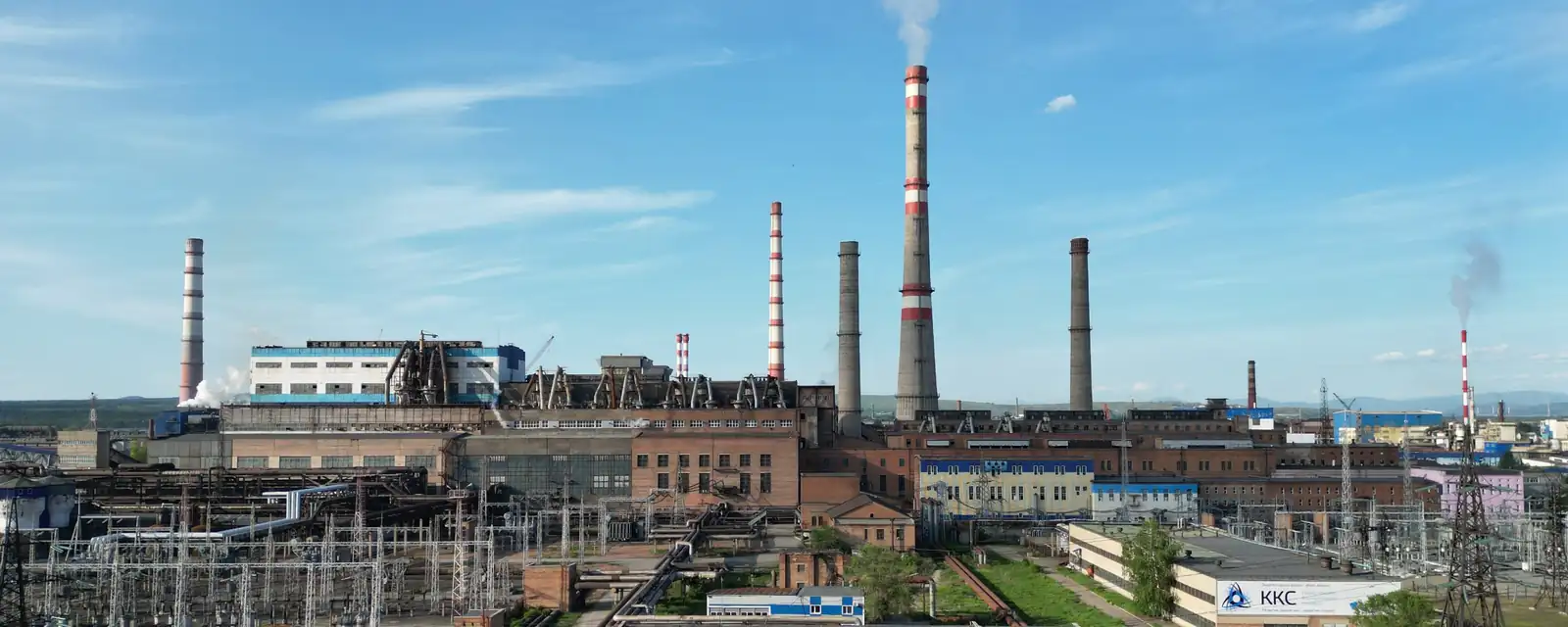
Maximum permissible emission (MPE) standards for pollutants (excluding greenhouse gas emissions) are emission values set on the basis of calculations for each stationary emission source and for the enterprise as a whole, in such a way as to ensure that environmental quality standards are met.
Maximum permissible emission standards for pollutants are used when obtaining an environmental permit as part of the draft emission standards containing the calculated standard values: the integrated environmental permit for Category I facilities and the environmental impact permit for Category II facilities. The period of validity of maximum permissible emission standards is determined by the period of validity of the environmental permit in which they are approved, and is established by the 2021 Environmental Code of the Republic of Kazakhstan. For Category III facilities an environmental impact declaration is submitted; for Category IV facilities neither a permit nor a declaration is required, and MPE standards are not set for them.
Work on setting standards for emissions of pollutants into ambient air is carried out in 2 stages:
1. Inventory of existing sources of pollutant emissions into the atmosphere. The inventory results establish the composition of the sources and the list of harmful substances subject to standard-setting. The inventory of sources of harmful emissions is carried out using instrumental or calculation (calculation-analytical) methods. Instrumental methods predominate for sources with channelled emissions of pollutants into the atmosphere, with instrumental measurements performed by an accredited laboratory.
2. Development of maximum permissible standards for pollutant emissions into the atmosphere. The maximum permissible emission standard for pollutants into the atmosphere is set for each source of atmospheric pollution, provided that emissions of harmful substances from that source and from all sources of the settlement taken together (background concentrations), taking into account the enterprise's development prospects and the dispersion of harmful substances in the atmosphere, do not create a ground-level concentration exceeding their maximum permissible concentrations (MPC) at the boundaries of sanitary protection zones and settlements. Emission standards are defined as the mass (in grams) of a harmful substance emitted per unit of time (second). Alongside maximum one-time permissible emissions (g/s), annual permissible emission values in tonnes per year (t/year) are set for each source and for the enterprise as a whole, taking into account the potential reduction of pollutant emissions into the atmosphere. For the enterprise as a whole, emission standards for harmful substances into the atmosphere are set as the aggregate of emission standard values for the existing, planned and reconstructed pollution sources of that enterprise.
Good to know
1. Emissions of pollutants into the atmosphere are divided into:
- emissions of pollutants from stationary sources (facilities whose emissions occur in a stationary state, even if the facility itself may later be relocated) – subject to standard-setting;
- emissions of pollutants from mobile sources (vehicles, machinery and other mobile means and installations equipped with internal combustion engines running on various types of fuel) – not subject to standard-setting, but maximum one-time emissions from engines (g/s) are taken into account for assessing the impact on ambient air, including in the process of setting MPE standards;
- salvo emissions (an integral and regular part of a technological process in which relatively short-lived emissions occur that are usually many times greater in power than average emissions; for example, the firing-up stage in production furnaces, blasting operations) – maximum one-time salvo emissions (g/s) are not standardized owing to their short duration and are not taken into account in calculations of the dispersion of harmful substances in the atmosphere, while the total annual amount of salvo emissions (t/year) is standardized when the annual emission is set;
- emergency emissions (in emergency situations, for example in a fire) – not standardized; emission volumes exceeding the standards set by the environmental permit are recognized as excess emissions, while emissions during the elimination of emergencies are not standardized and are not considered excess emissions. The fee for negative environmental impact is charged in accordance with the Tax Code of the Republic of Kazakhstan.
2. New sources of harmful emissions for future development, in the event of expansion or reconstruction of an enterprise, are taken into account according to the working designs of the proposed activity that have undergone environmental assessment in the manner established by the Environmental Code of the Republic of Kazakhstan.
3. Sources of harmful emissions introduced to support an enterprise's current business activities without the development of working designs are taken into account within the MPE standards. Accounting for such sources in the MPE standards does not replace the mandatory procedures of environmental assessment and obtaining an environmental permit, where these are required.
4. When MPE standards are set for a source of atmospheric pollution, the background concentrations of harmful substances in the air of the settlement, issued by the national meteorological service (RSE on REM "Kazhydromet"), are taken into account.
Our Company's specialists have extensive experience in developing draft MPE standards for production facilities in various industries, including mining and beneficiation, metallurgical, construction and other facilities. When emission sources are inventoried, accredited laboratories are engaged to carry out instrumental measurements. The cost of services for developing MPE standards is determined on a flexible basis, taking into account all aspects of the activity.